
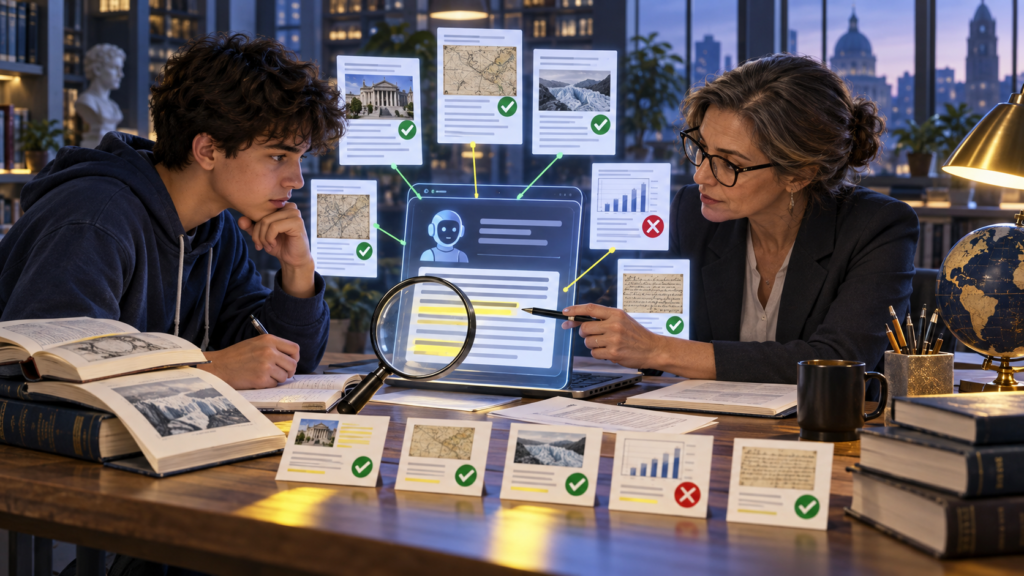
How to Fact-Check AI Answers in 2026: A Practical Verification Guide
Learn a repeatable method for checking AI claims, citations, dates, quotations, images, and calculations against trustworthy original sources.

Learn a repeatable method for checking AI claims, citations, dates, quotations, images, and calculations against trustworthy original sources.

Choose safe, useful AI workflows for routine small-business tasks while protecting customer data, reviewing outputs, and measuring real time savings.

Use AI to research roles, tailor truthful resumes, prepare interviews, and organize applications without fabricating experience or exposing personal data.
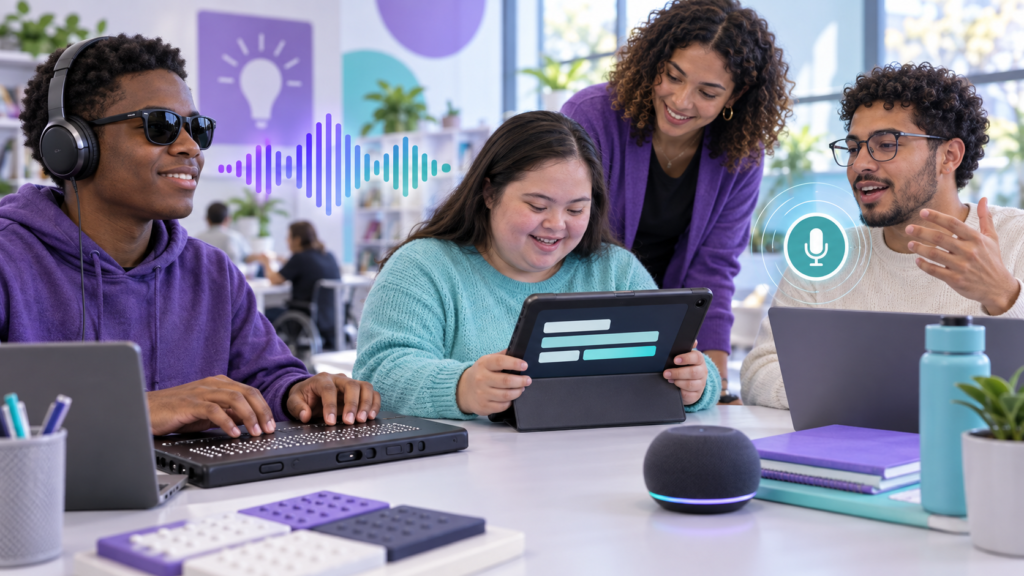
Explore captions, speech, reading support, image descriptions, and other AI accessibility tools—and learn why users must remain in control.
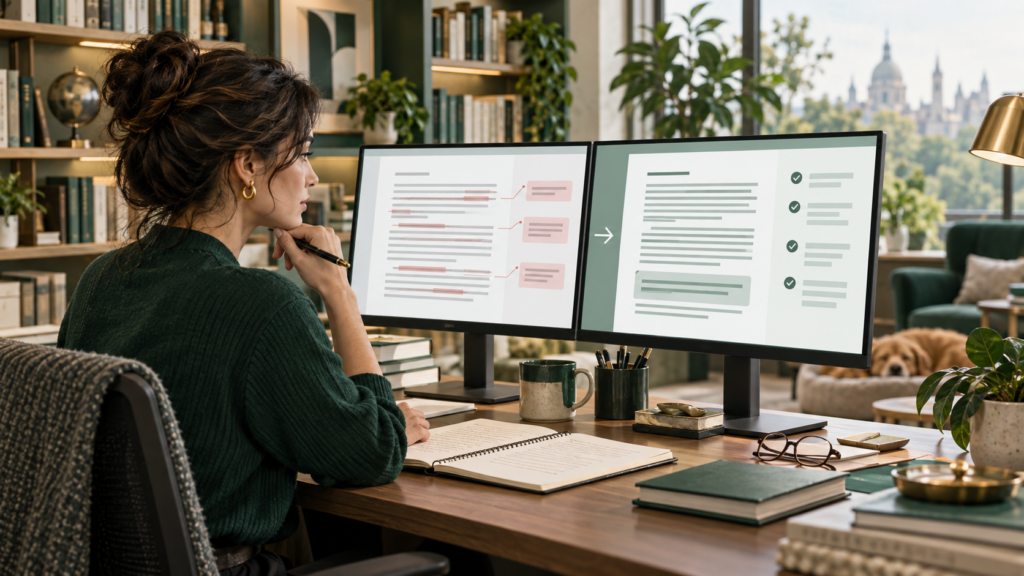
Use AI writing tools to plan, revise, and proofread without losing your voice, inventing facts, or sharing sensitive information.
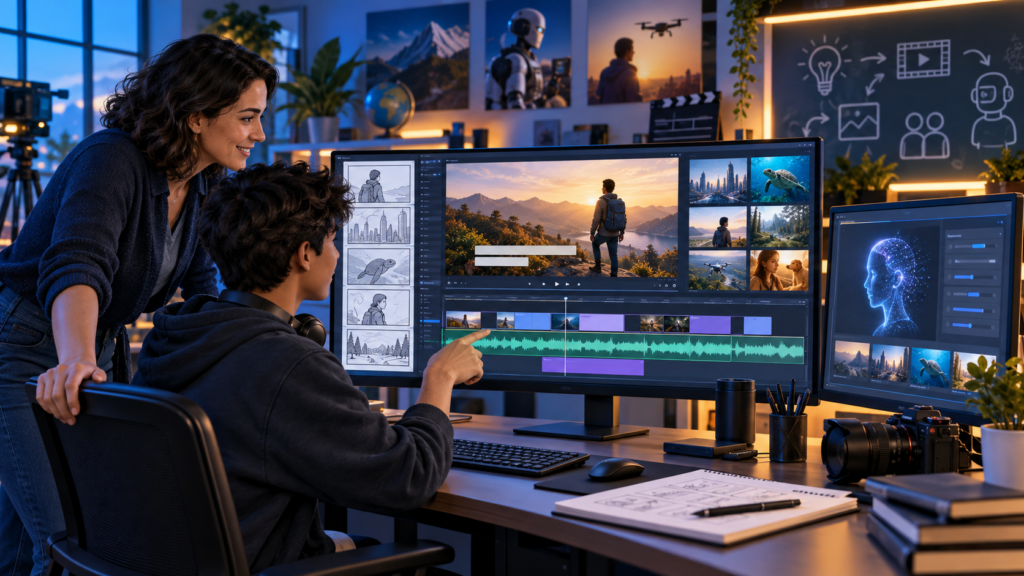
Plan, edit, caption, and review short videos with AI using a responsible workflow designed for teachers, creators, and beginners.

Learn a practical, responsible workflow for creating and editing original visuals with AI while checking quality, rights, privacy, and accuracy.
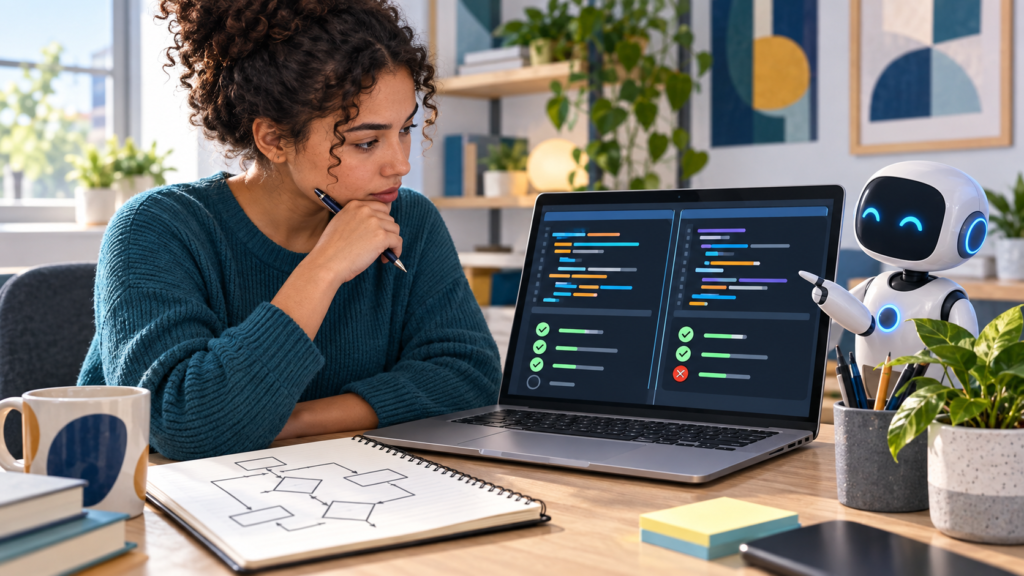
Learn how beginners can use AI coding assistants to understand code, debug carefully, practise programming, and avoid copying unsafe answers.
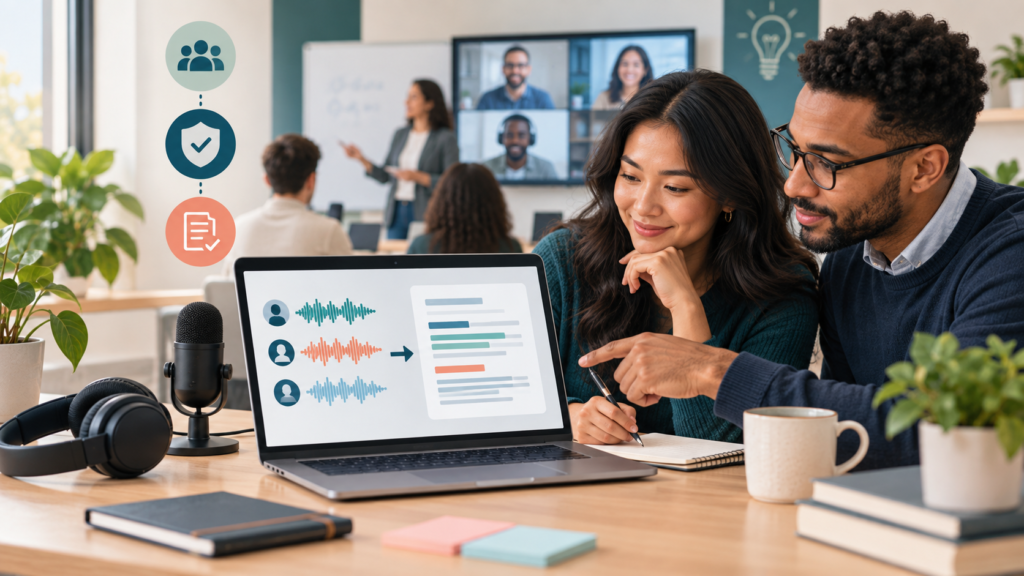
Learn how to record, transcribe, verify, and organize lectures or meetings with AI while protecting consent, privacy, and accuracy.

Learn how to use NotebookLM to organize sources, create study guides, ask better questions, and revise responsibly in 2026.